
Did you know that 10 million bacteria can live on the average office desk, making it up to 400 times dirtier than a toilet seat? This shows that even spaces that look clean can still contain hidden dirt and germs.
So, what is Deep Cleaning? It is a thorough cleaning process that removes dirt, bacteria, dust and grime from every part of a space, including areas that are usually missed during regular cleaning. It focuses on improving hygiene at a deeper level, not just what you can see.
In this guide, we explain what Deep Cleaning is, what it includes, how often it should be done, and why it matters for both homes and businesses.
Deep Cleaning vs Regular Cleaning: What’s the Difference?
When asking What is Deep Cleaning, it helps to understand how it differs from regular cleaning.
Regular cleaning includes everyday tasks such as wiping surfaces, vacuuming and mopping floors, emptying bins, and carrying out basic kitchen and bathroom cleaning. This keeps a space tidy but does not remove built-up grime or bacteria in hidden areas.
Deep cleaning, on the other hand, is far more detailed. It involves cleaning behind, underneath and inside areas that are not normally covered, helping to remove deeper dirt and maintain a higher level of hygiene.
What Does Deep Cleaning Include?
If you are wondering What is Deep Cleaning in practical terms, it covers every area of a property.
High-Level & Hard-to-Reach Areas
Deep cleaning includes areas that are often missed, such as light fittings, vents and ceiling corners, along with the tops of cupboards and shelves. It also involves cleaning behind radiators and large furniture, as well as window frames, blinds and other high surfaces.
Floors, Surfaces, Fixtures & Furniture Cleaning
All floors are vacuumed and mopped, including the areas underneath furniture. Hard floors are scrubbed while carpets are refreshed to remove dirt and odours. Doors, skirting boards and walls are wiped down, and furniture is moved to ensure hidden areas are properly cleaned.
Kitchen Cleaning Checklist
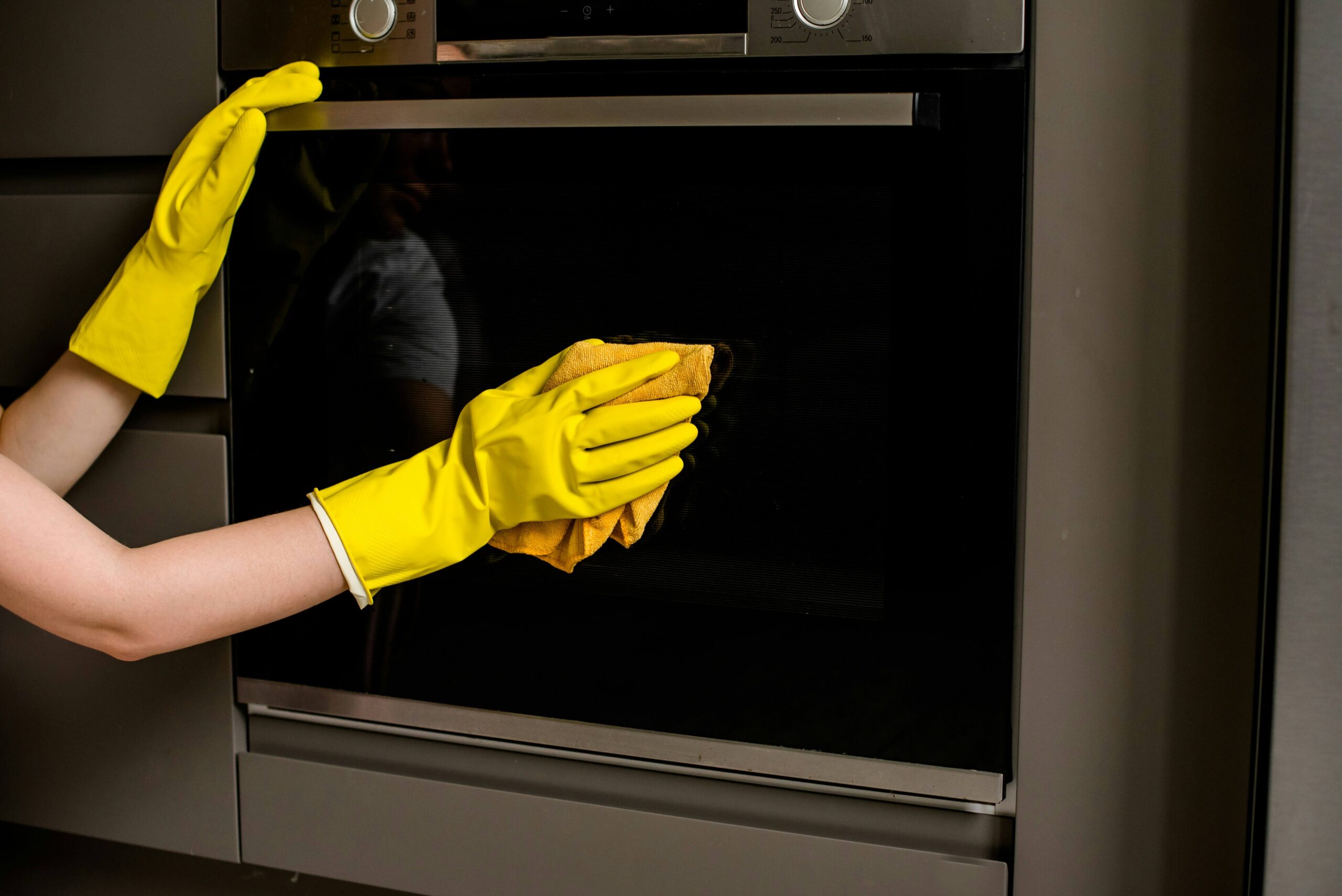
Deep cleaning in the kitchen involves cleaning inside appliances such as ovens, microwaves, fridges and freezers. Grease is removed from surfaces and appliances, and areas behind and underneath equipment are thoroughly cleaned. Cupboards and worktops are also disinfected to maintain hygiene.
Bathroom & Washroom Cleaning Tasks
Bathrooms are cleaned in detail by removing limescale from taps, tiles and shower heads. Toilets are deep cleaned, including hidden areas, while grout is scrubbed and soap residue is removed. Sinks, bins and frequently touched surfaces are fully sanitised.
What is a Professional Deep Clean?
A professional deep clean is carried out by trained cleaners using the right tools and products. It ensures every part of a property is cleaned properly, including areas that are difficult to reach or often overlooked.
What is Included in a Commercial Deep Clean Service?
In commercial settings, What is Deep Cleaning includes cleaning desks, equipment and shared spaces, as well as disinfecting high-touch surfaces. Kitchens and washrooms are cleaned thoroughly, while floors, vents and high areas are also addressed to maintain hygiene standards and support a safer working environment.
Why Deep Cleaning is Important for Homes & Businesses
Understanding What is Deep Cleaning also means recognising its importance.
Deep cleaning removes hidden bacteria and allergens, helps eliminate unpleasant smells, improves overall cleanliness, and supports a healthier environment for both homes and workplaces.
Key Benefits of Deep Cleaning (Health, Hygiene & Productivity)
Deep cleaning helps reduce the spread of germs and illness while improving air quality. It removes stubborn dirt and grime, creates a more comfortable space, and can also help identify potential hygiene issues early before they become bigger problems.
How Often Should You Deep Clean Your Home or Office?
Recommended Deep Cleaning Frequency for Homes
Homes that are well maintained should be deep cleaned every 6 to 12 months. If you have pets or children, this should be increased to every 3 to 4 months. Homes with a lot of clutter may require more frequent deep cleaning to prevent the build-up of dust and bacteria.
How Often Should Offices & Commercial Spaces Be Deep Cleaned?
Offices and commercial spaces should generally be deep cleaned around every three months. However, high-traffic environments or industries with strict hygiene regulations, such as healthcare or food settings, may require more frequent cleaning.
When Should You Book a Deep Clean? (Best Times & Scenarios)
Seasonal cleaning
Seasonal cleaning is a useful way to refresh your space and remove dust and allergens that build up over time. As the seasons change, so do the conditions inside your home or workplace. For example, spring and summer can bring pollen and dust, while autumn and winter often lead to more time spent indoors and a build-up of dirt, moisture, and bacteria. A deep clean at the start of a new season helps clear out these hidden contaminants, improves air quality, and keeps your space feeling fresh and comfortable.
End of tenancy
Deep cleaning at the end of a tenancy ensures the property is cleaned to a high standard and ready for new occupants. Landlords and letting agents often expect a thorough clean before a new tenant moves in, and failing to meet these standards can affect deposit returns. A deep clean covers everything from inside appliances to behind furniture, ensuring no dirt or grime is left behind. It also helps present the property in the best possible condition for viewings and handovers.
After illness or outbreaks
After illness or outbreaks, deep cleaning helps disinfect surfaces and reduce the spread of germs. Viruses and bacteria can remain on surfaces such as door handles, worktops, and shared equipment for extended periods. A deep clean focuses on sanitising these high-touch areas as well as less obvious spots where germs may linger. This helps create a safer environment, reduces the risk of reinfection, and supports overall health in both homes and workplaces.
Business reopenings
When businesses reopen after a period of closure, deep cleaning prepares a safe and hygienic environment for staff and customers. During closures, dust, bacteria, and stale air can build up, especially in unused areas. A deep clean ensures all surfaces, equipment, and communal areas are properly cleaned and sanitised before reopening. This not only improves hygiene but also helps create a positive first impression and gives staff and visitors confidence in the cleanliness of the space.
In conclusion, Deep Cleaning is a thorough cleaning process that goes beyond everyday tasks to remove hidden dirt, bacteria and grime from every part of a space. It improves hygiene, refreshes your environment and helps maintain a cleaner and healthier home or workplace. While regular cleaning keeps things looking tidy, deep cleaning ensures that areas beneath the surface are properly cleaned.
If you want a reliable and professional result, contact BHF Cleaning Solution Services today to book your deep clean.
FAQs About What is Deep Cleaning
What is Deep Cleaning and why is it important?
What is Deep Cleaning? It is a detailed cleaning process that removes hidden dirt, bacteria and grime, improving hygiene and freshness.
How long does a deep clean take?
It depends on the size of the property, but it usually takes longer than a standard clean due to the level of detail involved.
Is deep cleaning worth it?
Yes, as it improves hygiene, removes odours and creates a healthier environment.
Can I do deep cleaning myself?
You can, but professional cleaners often achieve better results using specialist equipment and products.