
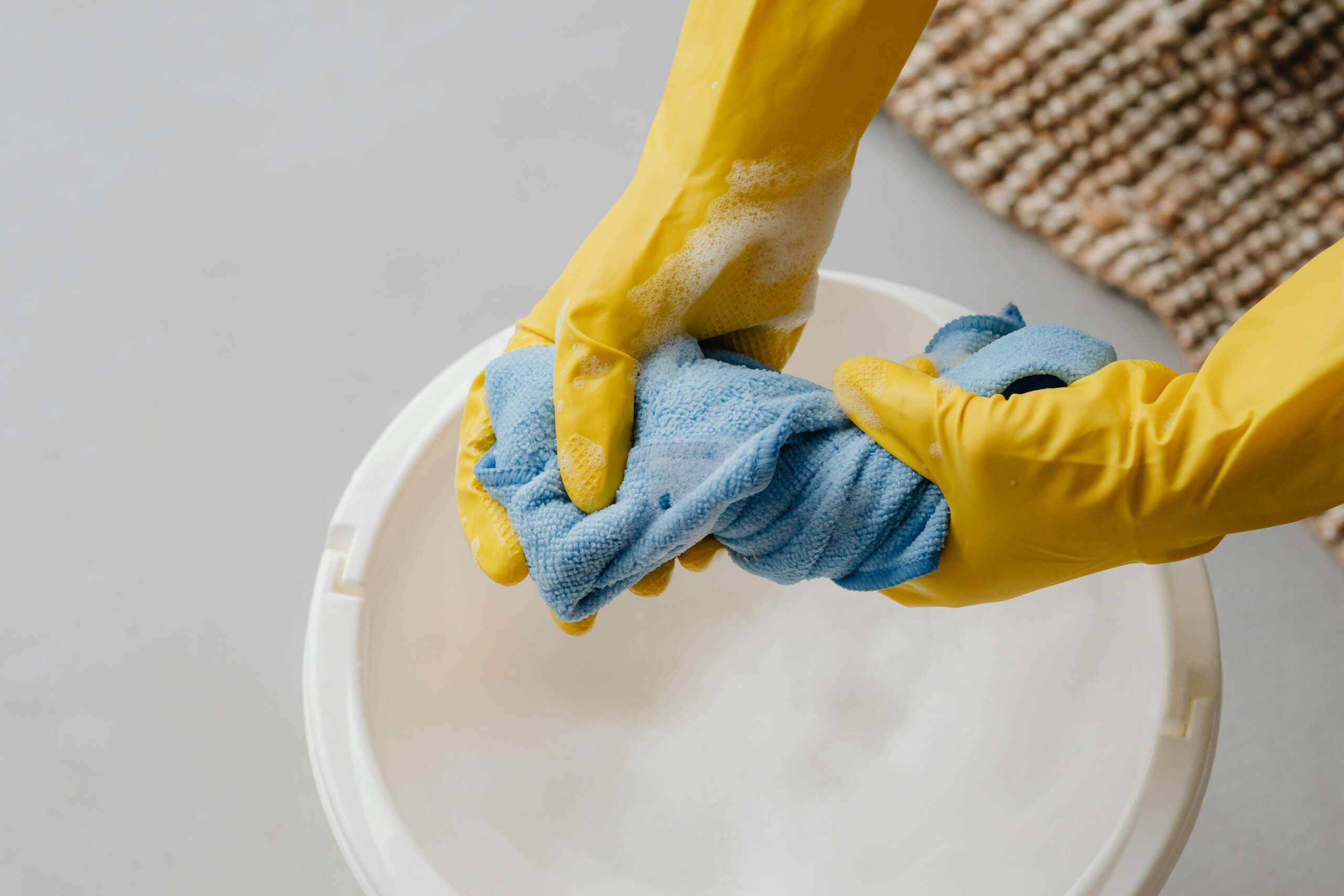
Every year in the UK, workplace hygiene affects millions of people. One estimate suggests that poor hygiene in offices contributes to around 30 million lost working days each year, largely through preventable illnesses that spread easily when cleaning routines are not consistent or carried out properly.
This shows how much the quality of your cleaning services can influence the health of staff and visitors, as well as the day to day running of your business. It becomes even more important when you need to maintain infection control standards. A general tidy up will not achieve this. What you really need is an IPC Standard Clean delivered in a structured and reliable way.
This guide explains what an IPC clean involves, how to check whether your provider is following the right processes and what signs to look for if things start slipping.
1. What Is an IPC Standard Clean?
An IPC Standard Clean is a method of cleaning designed specifically to reduce the spread of germs. It focuses on infection control rather than appearance alone. This type of clean is commonly used in healthcare settings, offices, schools, leisure centres and public venues where people interact frequently and share surfaces throughout the day.
Rather than just wiping down surfaces and emptying bins, an IPC clean follows detailed steps. These often include disinfecting high touch points such as door handles, lift buttons, keyboards and table tops, using colour coded equipment to prevent cross contamination, and following strict guidelines on waste disposal.
Staff carrying out an IPC clean are usually trained to work in a more systematic way. They follow written procedures and use approved cleaning products that are appropriate for infection control.
If your cleaning services are not following structured and safe processes like these, there is a strong chance they are not meeting IPC standards.
2. Check Their Cleaning Audits
A reliable cleaning provider should be able to show evidence of regular cleaning audits. These audits allow you to see what has been completed, what needs improvement and whether the provider is meeting your expectations for infection control.
A good cleaning audit normally includes internal checks by supervisors, occasional external assessments, written records of completed tasks and notes on areas where standards have slipped. Each audit should also include dates and signatures so you can see who checked the site and when.
If a provider cannot show any form of audit or if the audits look vague or rushed, this suggests that infection control is not being taken seriously. An IPC Standard Clean requires close monitoring. Without an audit trail, it is almost impossible to confirm whether the correct processes are being followed.
A provider that values infection control will be open about their audits, willing to discuss outcomes with you and ready to adjust schedules or methods where needed.
3. Look for Clear KPIs and Quality Measures
KPIs, or Key Performance Indicators, are another way to check whether your cleaning services deliver a genuine IPC Standard Clean. KPIs make quality easier to measure and give you clear expectations to work from.
IPC related KPIs usually cover areas such as how often touch points are disinfected, bin emptying routines, the cleanliness of restrooms, staff attendance, the safe use of products and any environmental commitments such as using eco friendly cleaning solutions.
A provider should be able to explain how they track these KPIs and how they respond if performance drops. This level of transparency shows that your cleaner is committed to maintaining a consistent standard rather than relying on guesswork.
If a provider cannot show KPIs or seems unsure about how they measure quality, you may not be receiving an IPC Standard Clean at all.
4. Inspect What You Are Paying For
Even with audits and KPIs, it is important to walk around your workplace and look at the results for yourself. A space can appear tidy at first glance, yet still fail to meet infection control standards.
Start with high touch areas such as doors, lifts, desks and communal buttons. These should be clean to the touch with no sticky residue, fingerprints or smudges. They should also be disinfected regularly.
Next, check the busiest areas of your building. Kitchens, break rooms, toilets, meeting rooms and reception spaces tend to collect germs quickly due to the number of people passing through. These areas should be cleaned in detail and more often than quieter corners of the building.
Restrooms deserve particular attention. Signs of a poor clean include unpleasant smells, water marks on sinks, dirty floors, overflowing bins and empty soap dispensers. A proper IPC approach avoids these issues through consistent routines and the use of stronger products where needed.
Waste management is another clear indicator of quality. Bins should be emptied before they become full, and bin areas should not have lingering smells. Overlooked waste can cause hygiene issues and attract pests.
Finally, look at hidden areas such as the tops of cupboards, window sills, behind equipment and underneath desks. Dust builds up quickly and often reveals whether cleaners are following thorough routines or simply focusing on easy to reach spots.
If you find several areas consistently missed, it suggests the provider may not be delivering a proper IPC Standard Clean.
5. Check Their Cleaning Supplies and Equipment
A good IPC Standard Clean relies on the correct supplies. Even the best routines will fail if the wrong tools or chemicals are used. Ask your provider whether they use colour coded cloths and mops to prevent cross contamination. For example, cloths used in restrooms should not be used in kitchens. You should also check that they use disinfectants suitable for infection control and that these products are prepared and stored safely.
Equipment such as vacuums, floor scrubbers and dispensing bottles should be maintained in good condition. Faulty equipment can spread dirt rather than remove it. Training is another important factor. Staff should receive clear instructions on how to use chemicals safely, how to follow IPC routines and what level of cleaning is expected in each part of the building.
If your cleaning services cannot explain their products or equipment clearly, this raises concerns about how well they manage infection control.
6. Review Communication and Accountability
Having a cleaning provider that communicates well will help you maintain IPC standards far more easily. You should be able to speak to a named contact, raise concerns without difficulty and expect a timely response. Regular check ins are useful for discussing any areas where standards have dipped or where your building’s needs have changed.
The provider should also be able to share cleaning logs, reports or digital records of completed tasks. These give you reassurance that routines are being followed consistently.
If you find it difficult to get clear answers or if issues are ignored, this suggests that infection control may not be a priority for that company.
7. Look for Technology That Supports Better Cleaning
Many cleaning services now use technology to support their daily routines. This might include QR code check ins that show when cleaners arrive at certain areas, digital audit tools that store checklists or automated reports that highlight recurring problems.
These tools increase transparency and make it easier to monitor IPC standards. They also help avoid missed tasks, which is especially useful in large workplaces with high footfall.
Although technology is not essential, it can give you greater confidence that your provider is working in a reliable and structured way.
8. Balance Cost With Quality
IPC level cleaning requires training, good supervision, suitable chemicals and a clear routine. All of this has a cost.
Choosing a cleaner based only on the lowest quote can lead to disappointment later. Poor cleaning often results in more illness, more complaints and the need for additional callouts, which can quickly become more expensive than hiring a reliable provider from the start.
A provider should be able to explain how their cost covers staff training, proper equipment, time allowance for infection control and regular supervision. Cheaper cleaning services may cut corners in these areas without openly admitting it.
9. A Simple Checklist to Verify an IPC Standard Clean
Below is a quick checklist you can use when reviewing any cleaning provider. Although simple, these checks give a good indication of whether the service is suitable for infection control.
Daily tasks should include disinfecting high touch areas, emptying and cleaning bins, keeping restrooms fully stocked and recording completed tasks in a log. Restrooms and communal kitchens should receive particular attention.
Weekly or monthly tasks should include deeper cleaning such as vents, skirting boards, corners, appliances and high level dusting. These tasks help maintain hygiene and prevent build up in hidden areas.
Compliance checks include safe use of PPE, proper chemical handling and following written IPC procedures. Approved disinfectants should always be used correctly.
Environmental practices may involve using eco friendly products where possible, reducing plastic waste and handling recycling responsibly.
If your provider cannot meet these basic standards, they may not be delivering a true IPC Standard Clean.
10. When to Raise Concerns or Switch Provider
If you notice repeated missed tasks, lack of cleaning logs, poor restroom standards, slow communication, frequent sickness among staff or a general decline in cleanliness, it is time to address the issue. A good provider will respond quickly, review procedures and adjust staffing if needed. If the problems continue, it may be best to consider switching to a cleaner who follows proper IPC methods and provides consistent quality.
Conclusion: Why an IPC Standard Clean Matters Today
In conclusion, confirming that your cleaning services meet the requirements of an IPC Standard Clean is important for the health and comfort of everyone in your workplace. By checking audits, reviewing KPIs, inspecting key areas, assessing equipment and maintaining clear communication, you can be confident your provider is delivering a safe and hygienic environment. A proper IPC Standard Clean is not simply about appearance. It helps reduce illness, protect staff and visitors and maintain a workplace that feels clean and well cared for.
If you want a provider that follows proper IPC standards and delivers reliable results, contact BHF Cleaning Solutions today.